What is a type beat and how do producers like Prod.Eman32x use them?
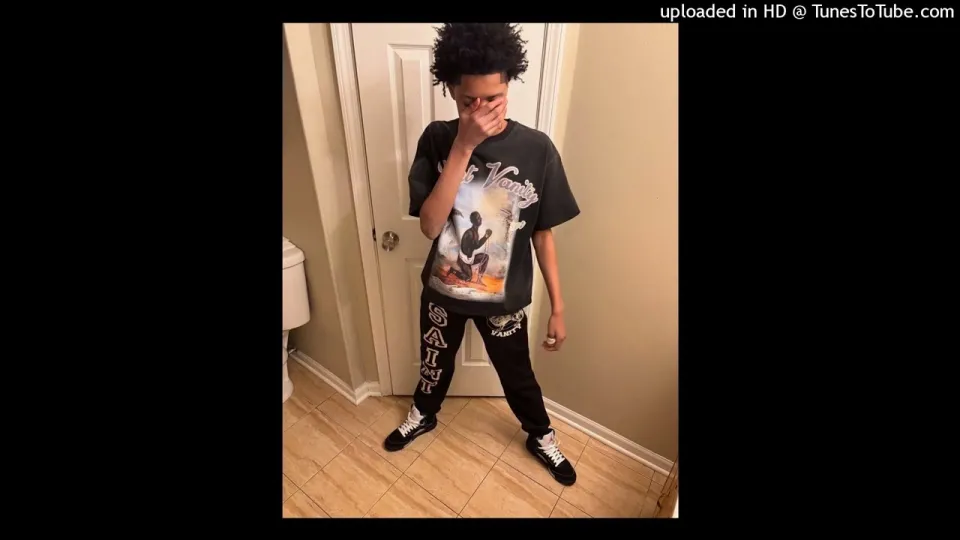
Video: Fullychop type beat “Run down”
Want articles like this for your own video to promote it on YouTube and Google? Order them through the Telegram bot @sat_sit_bot. The bot writes and publishes the articles itself (with your YouTube video embedded) on popular topical websites (no ads). Your first 50 articles are free.
Key takeaways
- A type beat is an original instrumental made in the style of a specific artist or scene, not an official production for that artist.
- Prod.Eman32x released the Fullychop type beat "Run down" on 2026-09-24 and offers it free for non-profit use only.
- Credit to eman32x is required in the title or description of any track using the beat.
- Commercial release on Spotify or Apple Music is not covered by the free download and requires a purchase.
- Beat tags in the description map the sound to Lil Tony, Lil Rae, L5, 2sdxrt3all, Rq Baby and Atlanta drill.
A type beat is an original instrumental made in the style of a particular artist, scene or sound, sold or shared by a producer who is not affiliated with that artist. Producers use the label so rappers searching for a specific flavor can find an instrumental that fits, and so the beat carries clear licensing terms. Prod.Eman32x applies exactly this model to the Fullychop type beat "Run down", posted on 2026-09-24 and offered free for non-profit use with mandatory credit.
What does type beat mean in practice
The phrase describes a reference point, not a collaboration. A producer studies how an artist's records are built — tempo, drum selection, sample treatment, arrangement — and then makes a new instrumental in that lane. The artist named in the title never touches the beat unless they choose to. That distinction matters for both sides: the producer gets a searchable, descriptive title, and the rapper gets an instrumental that already sounds close to the records they want to make.
In the description of "Run down", the tags run through Lil Tony, Lil Rae, Lil Dre6o, L5, Rq Baby, 2sdxrt3all and Atlanta drill. Each of those names is a search entry, and together they describe a sound: sparse, hard-hitting Atlanta drill with sample-driven loops and fast hi-hat patterns. The "Fullychop" label in the title points to the production approach — chopped, sample-based material rather than fully synthesized melodies.
How the free download from Prod.Eman32x actually works
The license on "Run down" is free for non-profit use only, with conditions that are stated plainly in the description.
- Non-profit use: mixtapes, freestyles, practice tracks and social media clips that generate no revenue fall inside the free tier.
- Credit: the name eman32x must appear in the title or description of the track. No credit, no license.
- Streaming platforms: Spotify and Apple Music are explicitly excluded from the free tier. Distributing a song there requires buying the beat first.
- Purchase and contact: buying beats or asking questions goes through Instagram direct messages at Eman32x_.
That structure is standard for the underground beat market. The free tier builds a catalog of tagged songs and a name, while paid licenses cover anything that earns money. A rapper who records a verse for fun is inside the terms; the same rapper uploading to a streaming service is not.
Reading the tags on a drill type beat
The hashtags and keyword lines under "Run down" are a map of the Atlanta drill underground. Lil Tony, Lil Rae and L5 sit at the center of that scene, with 2sdxrt3all and Rq Baby representing adjacent lanes. Sample-based production is called out repeatedly, which tells you the beat leans on a chopped loop rather than an original melody line.
For a rapper, those tags work as a filter. If your reference tracks come from that Atlanta cluster, the tempo and drum vocabulary here will feel familiar. If you are writing over boom bap or trap soul, the tags are telling you this is not your beat. Producers tag aggressively because search is the main distribution channel for instrumentals: nobody finds a type beat by browsing a shelf, they find it by typing an artist name plus "type beat".
Why listeners react to the drop, not the paperwork
The comments on "Run down" cluster around impact rather than licensing. Listeners describe the beat as hard, note that it "came on slamming", and several say they are about to record over it immediately. One commenter jokes that the producer should sue him, which is the underground version of a compliment — it means the beat sounds like a record already.
That reaction is the point of a well-made type beat. The instrumental has to survive being heard with no vocals on it, and drill beats do that through arrangement: an intro that sets the loop, a drop that removes elements instead of adding them, and a low end that carries the weight. The comments also show the second function of these uploads — they double as demo reels. Producers post beats, rappers scroll, and a session starts in a direct message.
Common questions from rappers before they record
Most hesitation around type beats comes down to rights, credit and whether a song is worth finishing.
- Can I upload my song to streaming platforms? Not under the free tier on this beat. Spotify and Apple Music are excluded, so you need a purchased license first.
- Do I have to credit the producer? Yes, eman32x must appear in the title or description. It is a condition of the free download, not a courtesy.
- What if I only post a snippet or a freestyle video? Non-profit use covers that, as long as credit is present and no revenue is generated.
- How do I know if the beat fits my voice? Record a 16 over it before committing. The tags point to Atlanta drill, so write in that pocket rather than forcing a different flow.
How to get the most out of a free type beat
Treat the free tier as a test drive, not a release plan. Record a reference verse, check whether the tempo sits comfortably, and decide whether the beat is worth buying before you build a full song around it. Keep a note of the producer's credit line from the start, because retrofitting credit after a track spreads is harder than typing a name into a description.
Prod.Eman32x built "Run down" as a working tool for that Atlanta drill lane, with clear terms attached: free for non-profit, credit required, streaming excluded, purchases handled by direct message. The video breakdown on the Prod.Eman32x channel is the fastest way to hear whether the sound matches what you write, and the description gives you the exact rules to follow if it does.
Questions & answers
Is a type beat the same as an official beat from the artist?
No. A type beat is an original instrumental made by an independent producer in the style of a named artist. The artist has no involvement and receives nothing from the sale. The name in the title only describes the sound and helps rappers find it in search.
Can I put a song on Spotify using a free type beat?
Not with the terms on "Run down". The description states the beat is free for non-profit use only and explicitly not free for Spotify or Apple Music. You need to buy a license from the producer before distributing the song on streaming services.
What happens if I forget to credit the producer?
You are outside the license terms. Prod.Eman32x requires the name eman32x in the title or description of any track that uses the beat. Without that credit the free download does not apply, and the producer can ask for the song to be taken down or licensed retroactively.
How do I buy a beat or ask about licensing?
Contact the producer directly on Instagram at Eman32x_, which is the channel listed in the video description for purchases and questions. Ask about the specific license tier you need, such as streaming or monetized video, before you record.